
Product Work
Business Objective
In 2021, the Manage Reservation team initiated the View Reservation redesign to help American Airlines customers confidently self‑serve 100% of their trip related needs online. The objective was to reduce reliance on call centers, improve digital Day of Travel clarity, and increase revenue through ancillary sales all while creating an experience travelers could navigate with ease during the most time sensitive moments of their journey.
PRIMARY
Increase self‑service success by addressing key areas where customers were dropping off or calling for help.
SECONDARY
Increase AAdvantage® enrollment by presenting value and benefits at the right moments.
PRIMARY
Improve Day‑of‑Travel clarity by making trip information simple, scannable, and action‑oriented.
SECONDARY
Grow ancillary revenue by making add‑ons and upgrades easier to find and understand.
iOS 26 Redesign and
Liquid Glass
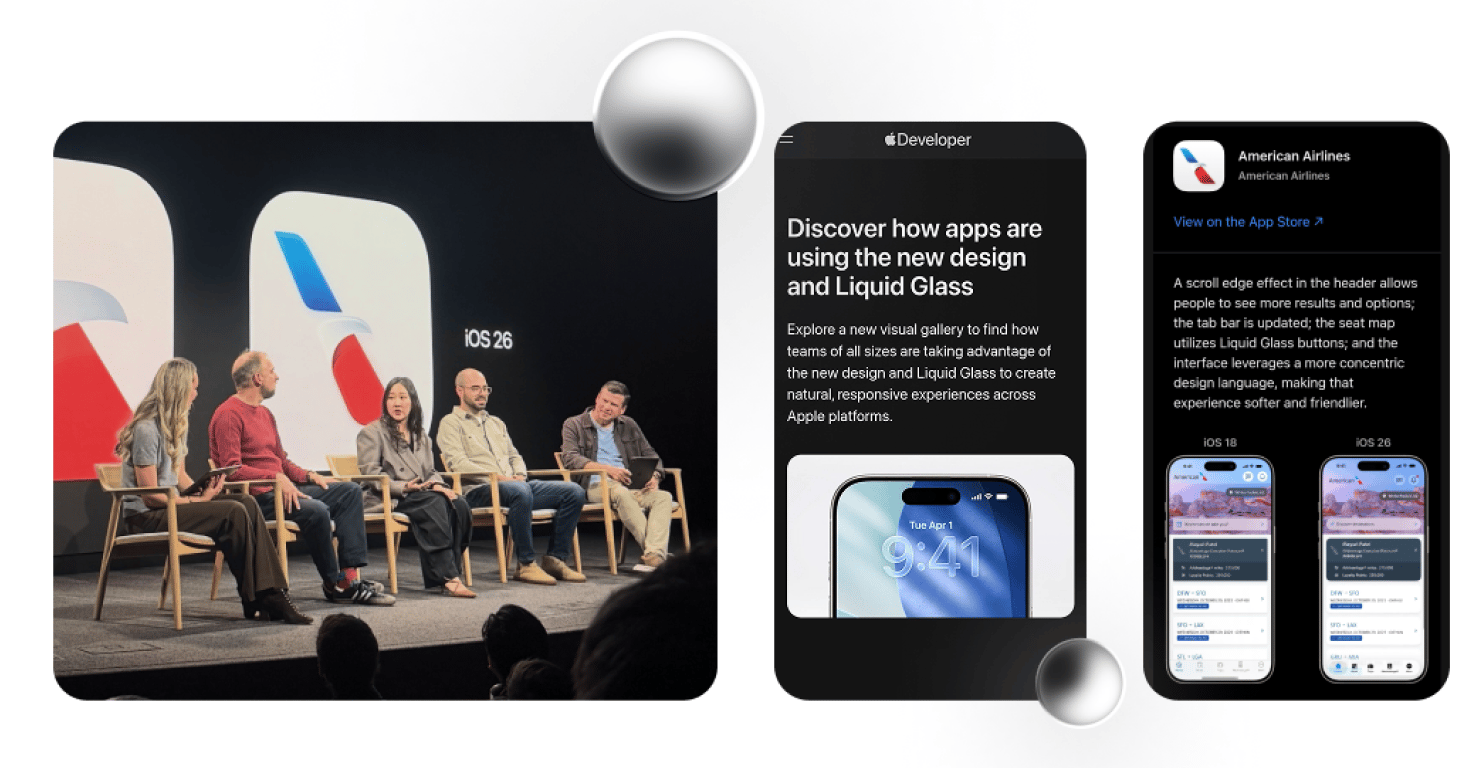
We partnered closely with Apple throughout the Liquid Glass initiative, joining their design workshops to align our approach with iOS26’s evolving capabilities. Working side‑by‑side with Product and Engineering, we transformed those insights into a fully reimagined mobile experience modern, intuitive, and built to feel native across both platforms. The result was a redesigned American app that not only met the moment technically, but earned recognition from Apple itself, featured in the App Store’s Travel category and showcased in the Apple Design Gallery.
Bringing AI to American Airlines
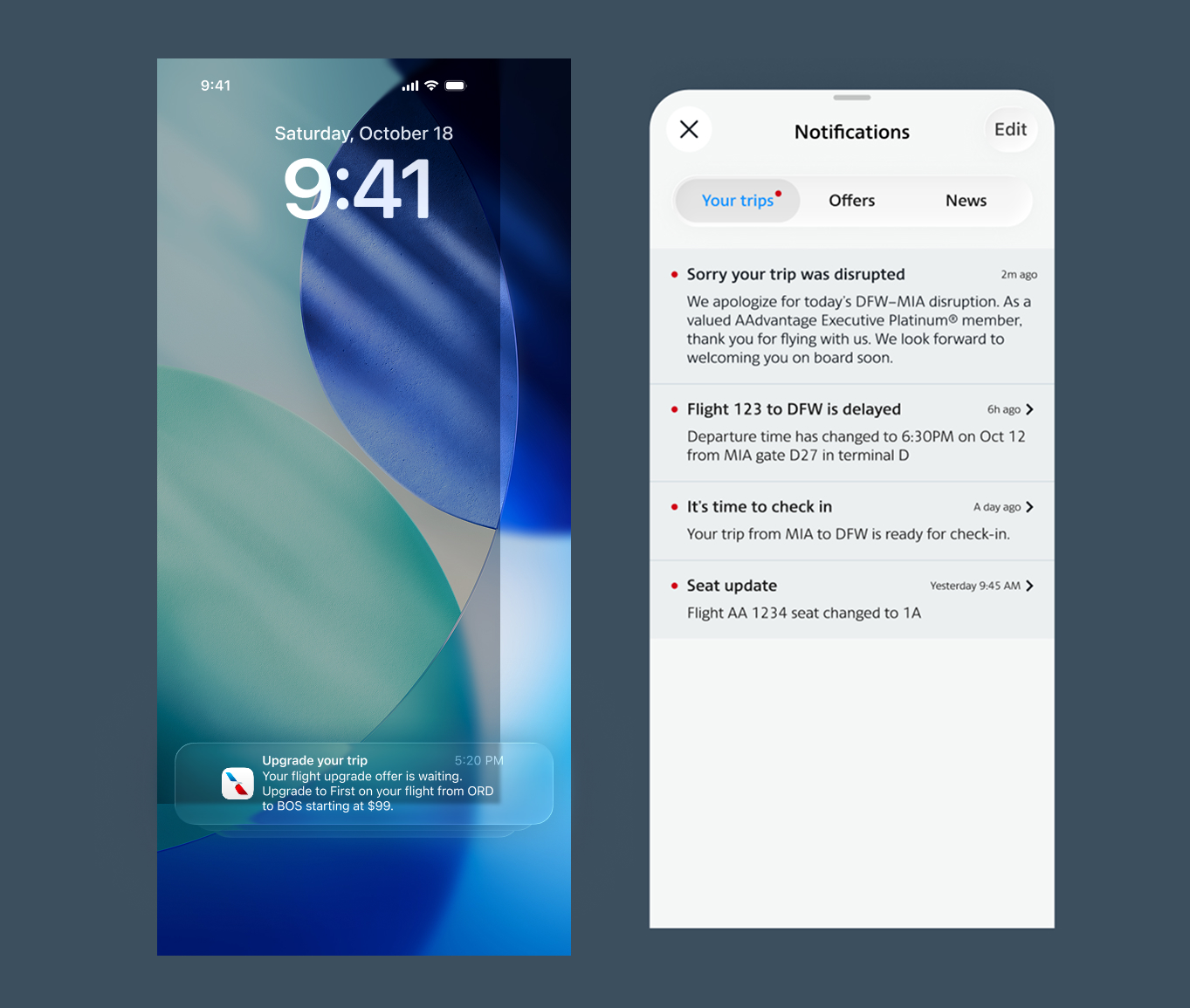
PSR GenAI is how we completely rethought service recovery at American Airlines, using AI to proactively support customers when their travel doesn’t go as planned. Instead of waiting for someone to report an issue, the system automatically identifies impacted travelers, decides what kind of care they need, and sends a personalized, human‑sounding message sometimes with bonus miles within minutes. Building this required deep collaboration across product, design, data, and engineering to make sure the AI was accurate, safe, and aligned with our brand voice. Today, PSR runs quietly in the background at scale, helping customers faster, reducing frustration, and setting a strong foundation for future AI‑driven experiences across the airline.
App Design System 2.0
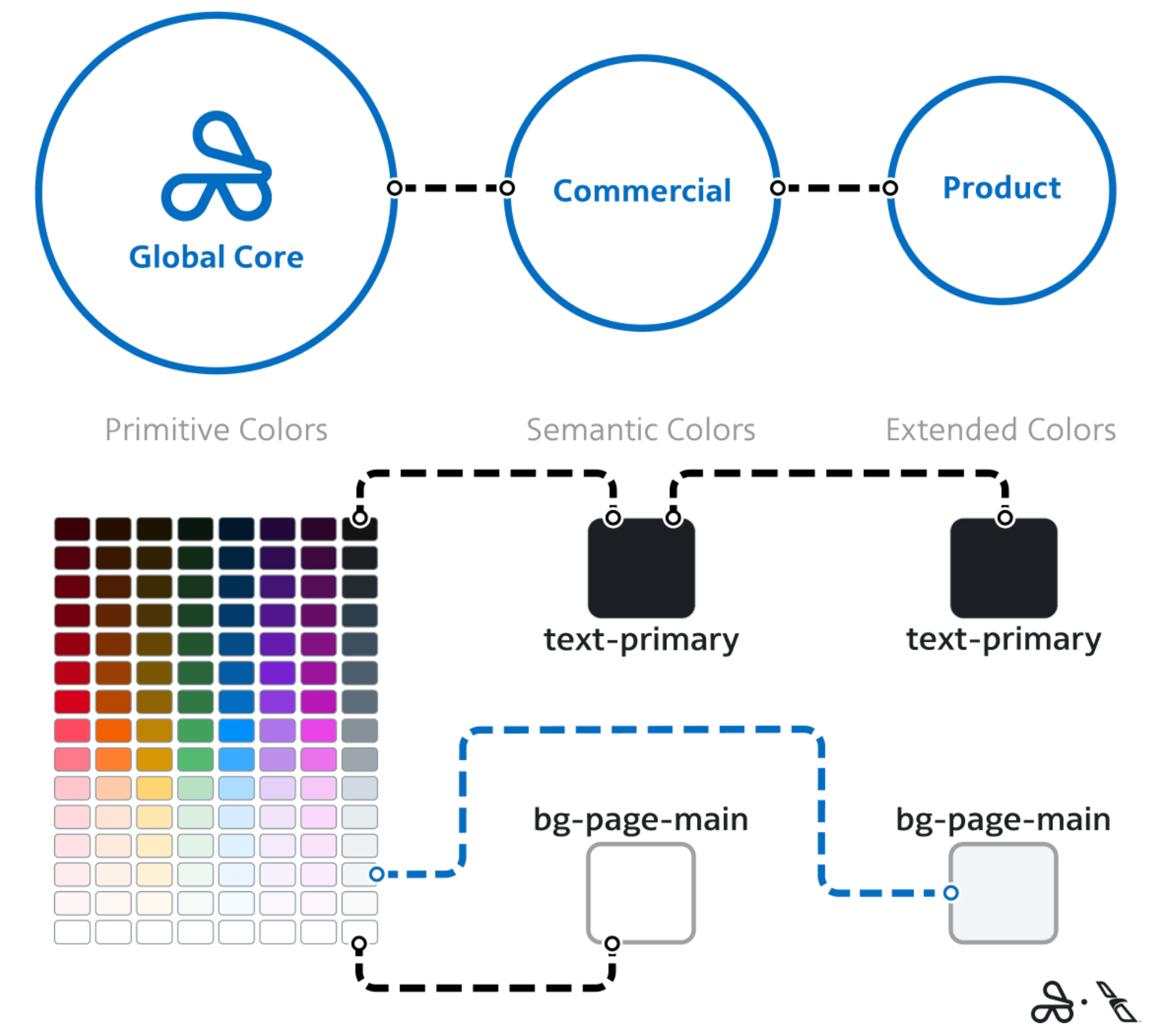
NDS 2.0 marks a huge milestone, it’s the first time our native experience fully integrates with AA’s main design system, unifying mobile with the broader Aileron ecosystem. The release delivers a modern, scalable, and ADA‑compliant toolkit with higher‑quality components, expanded color tokens, and Figma Extended Collections, giving designers and developers a consistent, brand‑aligned foundation across iOS, Android, and beyond.
Airport Operations
I’ve played a key role in shaping the UX foundations behind American’s airport‑side transformation modernizing the ACE gate‑agent platform, elevating digital signage and boarding flows in Terminal C, and supporting teams in complex, high‑stakes operational environments. By grounding our work in frontline research, direct airport observation, and tight partnership with station teams, I helped align product, engineering, and operations around a shared sense of “what good looks like.” This alignment strengthened quality, accelerated adoption, and set the stage for new capabilities like biometric boarding and a more connected, modern gate experience.
Terminal C, DFW Redesign
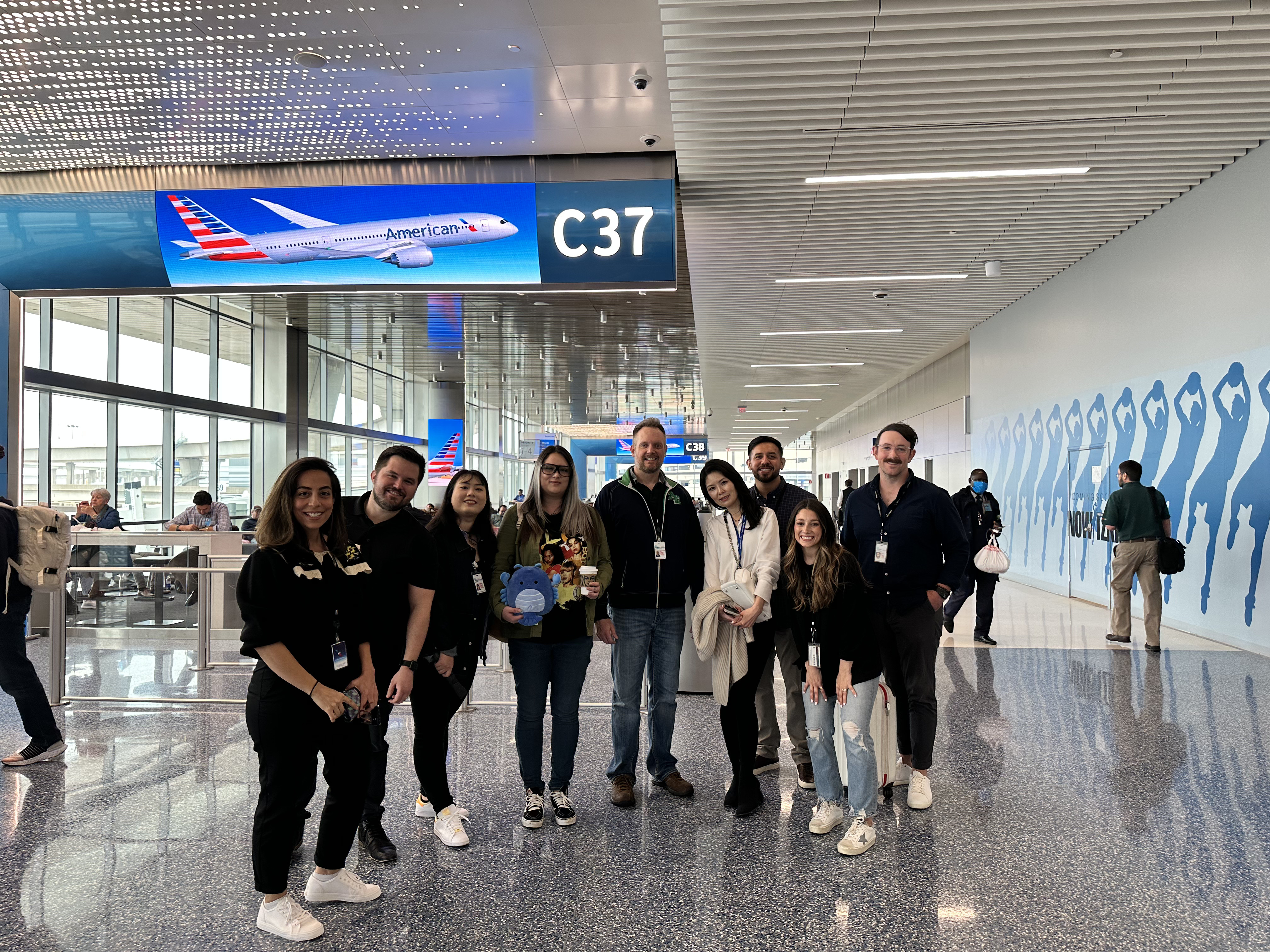
In 2021, we had the opportunity to redesign the full digital signage experience for DFW’s High C Terminal. With DFW’s investment in new display technology, we were able to reimagine how information shows up for customers, introducing modern, spacious layouts across both gate‑agent screens and the large concourse displays. Our focus was simple: surface the information customers need most, reduce confusion, and create a calmer, more intuitive experience during peak travel moments. We partnered closely with the DFW team to align our designs with their research and operational needs, ensuring the final system supported both customers and agents in a fast‑moving, high‑visibility environment.
Agent Customer Experience Airport Application
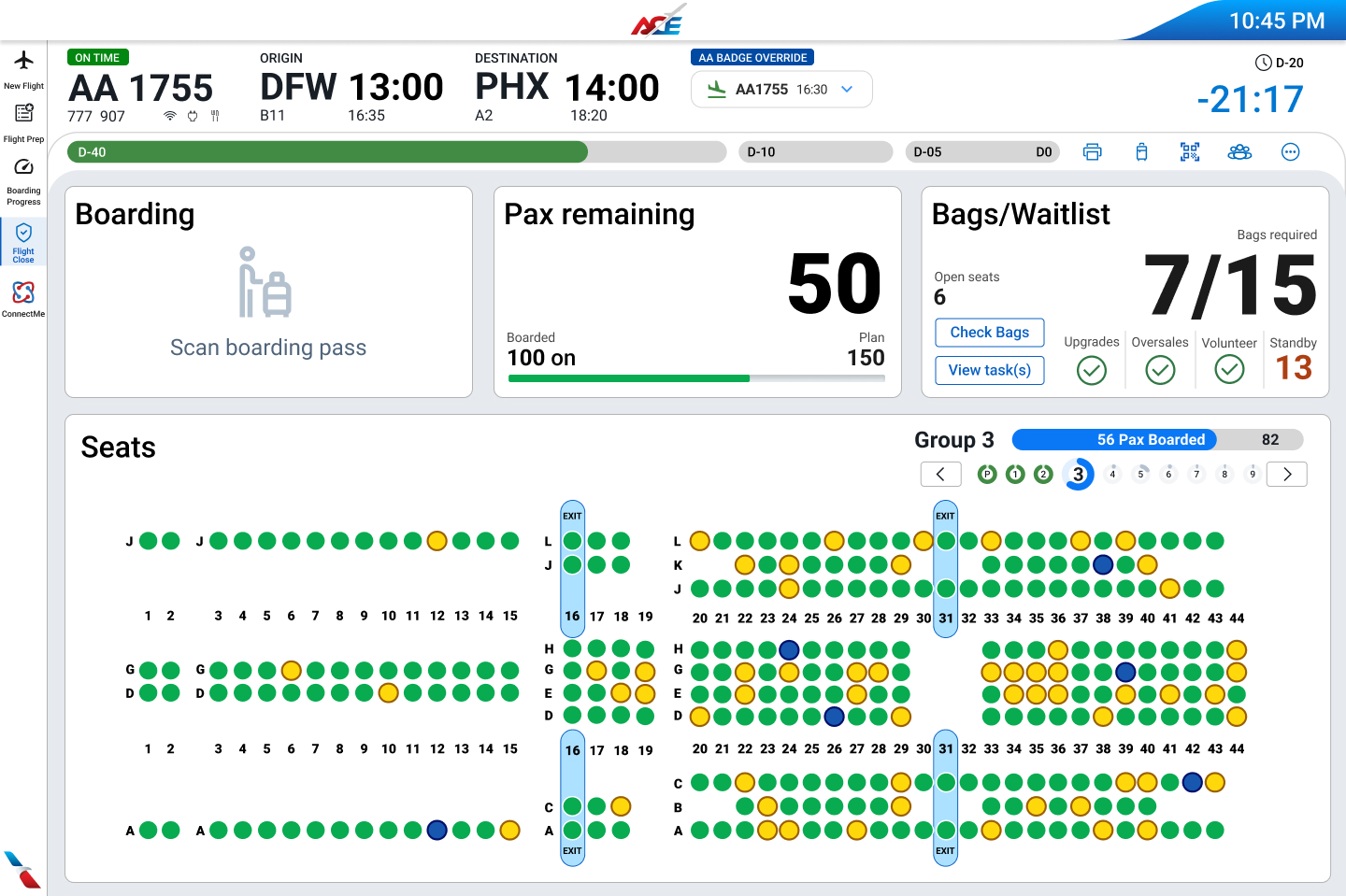
I helped lead the UX operations effort behind ACE, the platform modernizing the gate‑agent experience and replacing multiple legacy tools with a unified boarding ecosystem. Our work consolidated fragmented workflows—previously spread across systems like GateReader and other aging Sabre‑based applications into a single experience used across stations. We designed ACE to give agents real‑time visibility into boarding progress, improving refresh speed from 60 seconds to every 15 seconds, and introduced integrated features like visual seat‑map intelligence, standby management, and bag‑tag printing to reduce delays and simplify decision‑making.
Through ongoing research in airports like AUS and DCA, the team shaped ACE into the foundation for the “airport of the future,” supporting single‑agent boarding, seamless mobile + desktop parity.
Product Work
iOS 26 Redesign and
Liquid Glass
We partnered closely with Apple throughout the Liquid Glass initiative, joining their design workshops to align our approach with iOS26’s evolving capabilities. Working side‑by‑side with Product and Engineering, we transformed those insights into a fully reimagined mobile experience modern, intuitive, and built to feel native across both platforms. The result was a redesigned American app that not only met the moment technically, but earned recognition from Apple itself, featured in the App Store’s Travel category and showcased in the Apple Design Gallery.
Bringing AI to American Airlines
PSR GenAI is how we completely rethought service recovery at American Airlines, using AI to proactively support customers when their travel doesn’t go as planned. Instead of waiting for someone to report an issue, the system automatically identifies impacted travelers, decides what kind of care they need, and sends a personalized, human‑sounding message sometimes with bonus miles within minutes. Building this required deep collaboration across product, design, data, and engineering to make sure the AI was accurate, safe, and aligned with our brand voice. Today, PSR runs quietly in the background at scale, helping customers faster, reducing frustration, and setting a strong foundation for future AI‑driven experiences across the airline.
App Design System 2.0
NDS 2.0 marks a huge milestone, it’s the first time our native experience fully integrates with AA’s main design system, unifying mobile with the broader Aileron ecosystem. The release delivers a modern, scalable, and ADA‑compliant toolkit with higher‑quality components, expanded color tokens, and Figma Extended Collections, giving designers and developers a consistent, brand‑aligned foundation across iOS, Android, and beyond.
Airport Operations
I’ve played a key role in shaping the UX foundations behind American’s airport‑side transformation modernizing the ACE gate‑agent platform, elevating digital signage and boarding flows in Terminal C, and supporting teams in complex, high‑stakes operational environments. By grounding our work in frontline research, direct airport observation, and tight partnership with station teams, I helped align product, engineering, and operations around a shared sense of “what good looks like.” This alignment strengthened quality, accelerated adoption, and set the stage for new capabilities like biometric boarding and a more connected, modern gate experience.
Terminal C, DFW Redesign
In 2021, we had the opportunity to redesign the full digital signage experience for DFW’s High C Terminal. With DFW’s investment in new display technology, we were able to reimagine how information shows up for customers, introducing modern, spacious layouts across both gate‑agent screens and the large concourse displays. Our focus was simple: surface the information customers need most, reduce confusion, and create a calmer, more intuitive experience during peak travel moments. We partnered closely with the DFW team to align our designs with their research and operational needs, ensuring the final system supported both customers and agents in a fast‑moving, high‑visibility environment.
Agent Customer Experience Airport Application
I helped lead the UX operations effort behind ACE, the platform modernizing the gate‑agent experience and replacing multiple legacy tools with a unified boarding ecosystem. Our work consolidated fragmented workflows—previously spread across systems like GateReader and other aging Sabre‑based applications into a single experience used across stations. We designed ACE to give agents real‑time visibility into boarding progress, improving refresh speed from 60 seconds to every 15 seconds, and introduced integrated features like visual seat‑map intelligence, standby management, and bag‑tag printing to reduce delays and simplify decision‑making.
Through ongoing research in airports like AUS and DCA, the team shaped ACE into the foundation for the “airport of the future,” supporting single‑agent boarding, seamless mobile + desktop parity.
Product Work
iOS 26 Redesign and
Liquid Glass
We partnered closely with Apple throughout the Liquid Glass initiative, joining their design workshops to align our approach with iOS26’s evolving capabilities. Working side‑by‑side with Product and Engineering, we transformed those insights into a fully reimagined mobile experience modern, intuitive, and built to feel native across both platforms. The result was a redesigned American app that not only met the moment technically, but earned recognition from Apple itself, featured in the App Store’s Travel category and showcased in the Apple Design Gallery.
AAdvantage enrollment A/B test
88%↑
Loyalty program enrollment increase in A/B testing
Exceeded revenue forecase
$2.3M↑
Exceeded the $10M forecasted target through cross-sell platforms
Bringing AI to American Airlines
PSR GenAI is how we completely rethought service recovery at American Airlines, using AI to proactively support customers when their travel doesn’t go as planned. Instead of waiting for someone to report an issue, the system automatically identifies impacted travelers, decides what kind of care they need, and sends a personalized, human‑sounding message sometimes with bonus miles within minutes. Building this required deep collaboration across product, design, data, and engineering to make sure the AI was accurate, safe, and aligned with our brand voice. Today, PSR runs quietly in the background at scale, helping customers faster, reducing frustration, and setting a strong foundation for future AI‑driven experiences across the airline.
App Design System 2.0
NDS 2.0 marks a huge milestone, it’s the first time our native experience fully integrates with AA’s main design system, unifying mobile with the broader Aileron ecosystem. The release delivers a modern, scalable, and ADA‑compliant toolkit with higher‑quality components, expanded color tokens, and Figma Extended Collections, giving designers and developers a consistent, brand‑aligned foundation across iOS, Android, and beyond.
Airport Operations
I’ve played a key role in shaping the UX foundations behind American’s airport‑side transformation modernizing the ACE gate‑agent platform, elevating digital signage and boarding flows in Terminal C, and supporting teams in complex, high‑stakes operational environments. By grounding our work in frontline research, direct airport observation, and tight partnership with station teams, I helped align product, engineering, and operations around a shared sense of “what good looks like.” This alignment strengthened quality, accelerated adoption, and set the stage for new capabilities like biometric boarding and a more connected, modern gate experience.
Terminal C, DFW Redesign
In 2021, we had the opportunity to redesign the full digital signage experience for DFW’s High C Terminal. With DFW’s investment in new display technology, we were able to reimagine how information shows up for customers, introducing modern, spacious layouts across both gate‑agent screens and the large concourse displays. Our focus was simple: surface the information customers need most, reduce confusion, and create a calmer, more intuitive experience during peak travel moments. We partnered closely with the DFW team to align our designs with their research and operational needs, ensuring the final system supported both customers and agents in a fast‑moving, high‑visibility environment.
Agent Customer Experience Airport Application
I helped lead the UX operations effort behind ACE, the platform modernizing the gate‑agent experience and replacing multiple legacy tools with a unified boarding ecosystem. Our work consolidated fragmented workflows—previously spread across systems like GateReader and other aging Sabre‑based applications into a single experience used across stations. We designed ACE to give agents real‑time visibility into boarding progress, improving refresh speed from 60 seconds to every 15 seconds, and introduced integrated features like visual seat‑map intelligence, standby management, and bag‑tag printing to reduce delays and simplify decision‑making.
Through ongoing research in airports like AUS and DCA, the team shaped ACE into the foundation for the “airport of the future,” supporting single‑agent boarding, seamless mobile + desktop parity.